
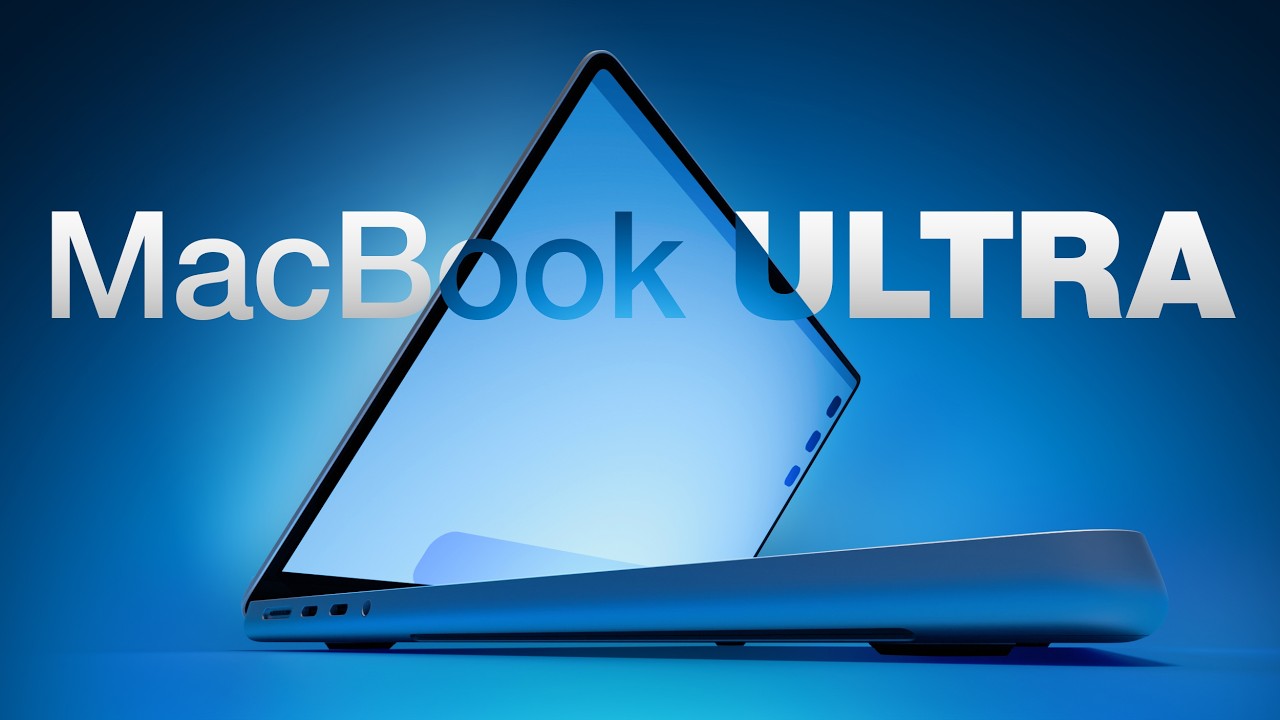
Summary
Apple's recent price hikes on the upcoming **MacBook Ultra** have sparked significant consumer reactions, with many jumping to purchase older models like the M5 Pro before the new releases. The price increases have raised questions about Apple's strategy and the perceived value of its products. With the anticipated introduction of OLED screens, some consumers are weighing the benefits against the higher costs. This situation highlights the ongoing tension between innovation and affordability in the tech market.
Key Takeaways
- Apple's price hikes for the MacBook Ultra have generated mixed consumer reactions.
- Many consumers are opting to purchase older models like the M5 Pro before the new release.
- The price increases may reflect broader inflationary pressures in the tech industry.
- There are concerns that higher prices could alienate price-sensitive customers.
- The true impact of these price changes on Apple's market share remains uncertain.
Balanced Perspective
From a neutral standpoint, the price hikes reflect **market trends and inflationary pressures** affecting the tech industry. Apple has historically adjusted prices based on component costs and consumer demand. While some consumers are frustrated, others are still purchasing older models, indicating a mixed response. The actual impact of these price changes on sales and market share remains to be seen, as the new MacBook Ultra's features are yet to be fully revealed.
Optimistic View
The optimistic view is that these price hikes signify **Apple's commitment to quality and innovation**, particularly with the anticipated OLED technology. Consumers may be willing to pay a premium for cutting-edge features and performance enhancements, which could lead to a more robust product line and increased brand loyalty. Additionally, the demand for older models like the M5 Pro suggests a strong market presence, indicating that consumers still value Apple’s offerings despite the price increase.
Critical View
The pessimistic perspective raises concerns that these price hikes could alienate a segment of Apple's customer base, particularly those who are price-sensitive. As competition in the laptop market intensifies, higher prices may push consumers toward alternatives from brands like **Dell** or **Lenovo**, which offer competitive features at lower price points. If consumers perceive that they are not receiving proportional value for the increased cost, it could lead to a decline in brand loyalty and market share.
Source
Originally reported by YouTube