
Contents
Overview
Sustainability in beauty refers to the industry's commitment to minimizing its environmental and social impact throughout the product lifecycle. This encompasses ethical ingredient sourcing, reduced water and energy consumption in manufacturing, biodegradable or recyclable packaging, and fair labor practices. Brands are increasingly adopting certifications like Ecocert and Leaping Bunny to validate their claims, while innovations in refillable packaging and waterless formulations aim to tackle key challenges. Despite progress, debates persist regarding greenwashing, the true recyclability of complex packaging, and the balance between efficacy and environmental responsibility.
🎵 Origins & History
The roots of sustainability in beauty can be traced back to the natural and organic beauty movements of the late 20th century, which emphasized plant-based ingredients and minimal processing. However, the modern concept of sustainability, encompassing a broader environmental and social responsibility, truly began to coalesce in the early 2010s. Influenced by global sustainability discourse and increasing consumer awareness of issues like plastic pollution and climate change, brands started re-evaluating their practices. Pioneers like The Body Shop, founded by Anita Roddick, championed ethical sourcing and cruelty-free testing long before it was mainstream.
⚙️ How It Works
Sustainability in beauty operates on multiple fronts. It begins with ingredient sourcing, prioritizing renewable, biodegradable, and ethically harvested materials, often avoiding microplastics and controversial chemicals like parabens. Manufacturing processes focus on reducing water and energy consumption, utilizing renewable energy sources, and minimizing waste. Packaging is a critical area, with a shift towards refillable systems, post-consumer recycled (PCR) materials, glass, and biodegradable alternatives, moving away from single-use plastics. Brands also address their supply chains by ensuring fair labor practices and supporting local communities. Life cycle assessments (LCAs) are increasingly used to quantify the environmental impact from raw material extraction to end-of-life disposal, guiding product development and corporate strategy.
📊 Key Facts & Numbers
Key figures driving sustainability in beauty include Anita Roddick, founder of The Body Shop, who championed ethical business practices from the 1970s. More recently, founders like Charlotte Biessy and Anne-Marie Conti of Refill Beauty Brand (hypothetical example for illustration) are innovating with refillable models. Major organizations like the Environmental Working Group (EWG) and Plastic Pollution Coalition advocate for cleaner ingredients and reduced plastic waste. Corporate giants like L'Oréal and Procter & Gamble have established dedicated sustainability departments and set ambitious targets, often collaborating with industry groups like the Specialty Beauty Association to address systemic challenges.
👥 Key People & Organizations
Sustainability has profoundly reshaped consumer expectations and brand marketing within the beauty sector. Consumers are now actively seeking out brands that align with their values, leading to a surge in 'clean beauty' and 'eco-friendly' product lines. This has influenced advertising campaigns, product design, and even the language used to describe products, with terms like 'natural,' 'organic,' and 'sustainable' becoming commonplace. The rise of social media influencers has amplified conversations around ethical consumption, putting pressure on brands to be more transparent. This cultural shift has also spurred innovation, encouraging the development of new materials and business models, such as the burgeoning circular economy for beauty products.
🌍 Cultural Impact & Influence
The beauty industry is currently experiencing a significant push towards circularity and waste reduction. Many brands are investing heavily in refillable packaging solutions, with companies like Kylie Cosmetics and Rare Beauty introducing refill options for their popular products. Innovations in waterless or solid formulations, such as shampoo bars and concentrated serums, are gaining traction to reduce water usage and packaging weight. The use of post-consumer recycled (PCR) materials in packaging is becoming standard practice for many brands, including Glossier and Pat McGrath Labs. Furthermore, there's a growing emphasis on ingredient traceability and biodiversity preservation, with brands like Caudalie highlighting their commitment to natural origins and sustainable farming practices.
⚡ Current State & Latest Developments
The future of sustainability in beauty likely involves a deeper integration of circular economy principles, moving beyond simple recycling to robust reuse and refill systems. Expect to see more widespread adoption of biodegradable and compostable packaging materials, potentially derived from novel sources like algae or mycelium. Advanced recycling technologies capable of handling complex beauty packaging will become crucial. Ingredient innovation will focus on bio-based and lab-grown alternatives that minimize environmental impact. Furthermore, regulatory bodies may introduce stricter guidelines and certifications to combat greenwashing, demanding greater transparency and accountability from brands. The concept of 'product as a service,' where consumers subscribe to product refills rather than owning individual items, could also gain significant traction.
🤔 Controversies & Debates
Sustainability in beauty translates into tangible actions for consumers. Many brands now offer refill pouches or compacts for makeup and skincare, allowing customers to reuse their original containers. Look for products labeled with certifications like COSMOS Organic, Ecocert, or Cruelty Free International's Leaping Bunny logo. Some companies, like Glossier, have implemented take-back programs for empty product containers. Consumers can also opt for solid formulations like shampoo bars or cleansing balms, which eliminate water and reduce packaging. Choosing brands that are transparent about their supply chains and manufacturing processes, such as Follain or Credo Beauty, empowers informed purchasing decisions. Researching a brand's specific sustainability reports, often available on their websites, is a practical step.
🔮 Future Outlook & Predictions
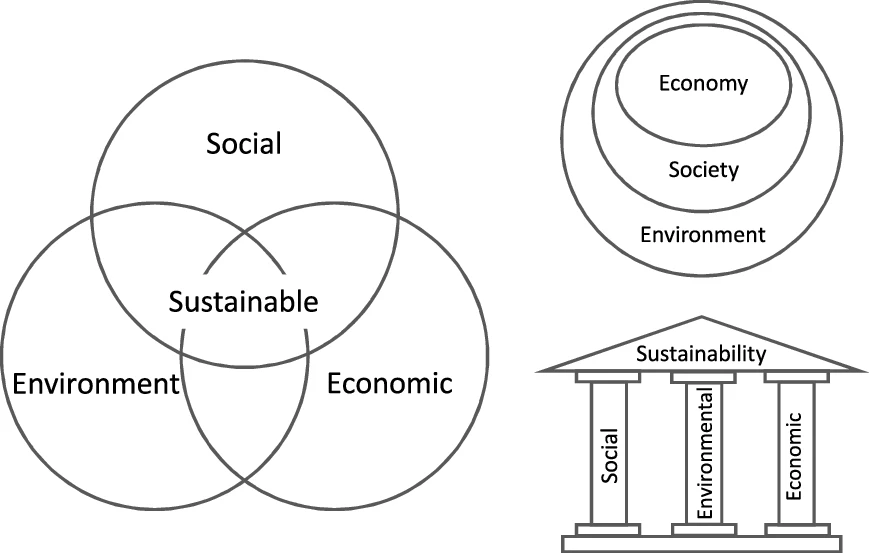
The broader concept of sustainability underpins the entire movement, providing the philosophical framework. Circular economy principles are directly applied to product design and end-of-life management.
Key Facts
- Category
- movements
- Type
- topic