Contents
- 🗺️ Geographic Snapshot & Vibe
- 🏛️ Historical Echoes & Modern Identity
- 👥 Demographics & Cultural Currents
- 💰 Economic Pulse & Opportunity
- 🗣️ Language & Communication
- 🍽️ Culinary Delights & Social Rituals
- 🏞️ Natural Wonders & Outdoor Pursuits
- 💡 Key Takeaways & Future Trajectory
- Frequently Asked Questions
- Related Topics
Overview
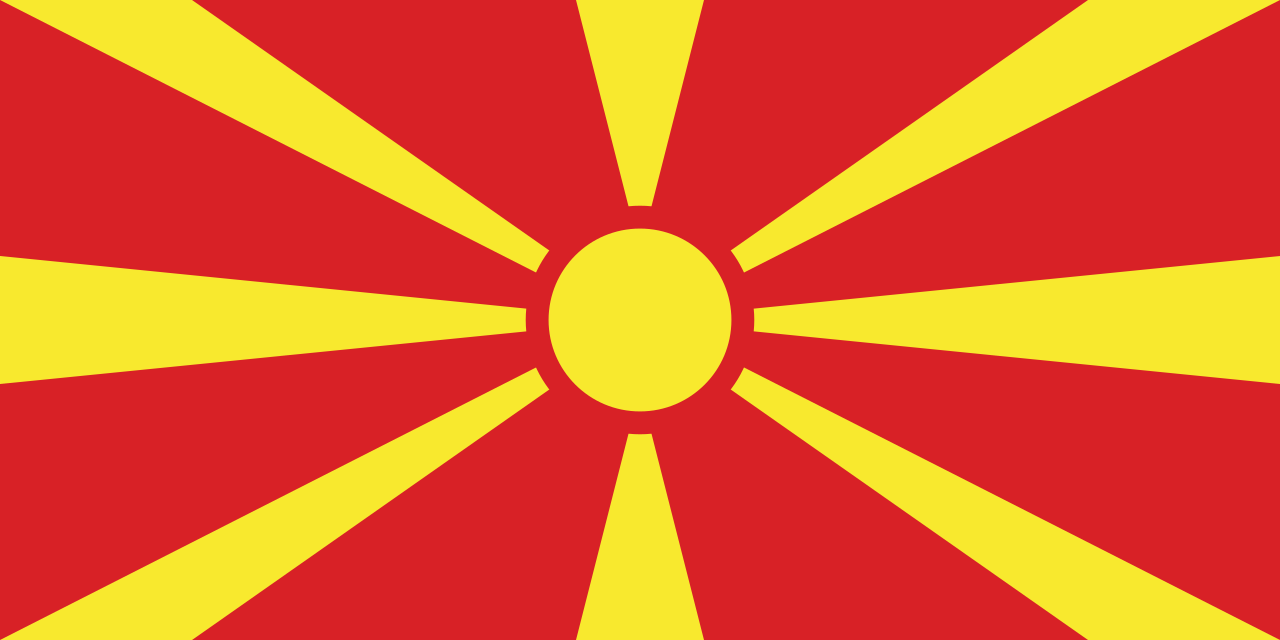
North Macedonia, officially the Republic of North Macedonia, is a landlocked jewel nestled in the heart of the Balkans. Its strategic location, sharing borders with Greece, Albania, Bulgaria, Kosovo, and Serbia, positions it as a crossroads of cultures and history. The country encompasses roughly the northern third of the larger geographical region of Macedonia, a heritage that imbues its identity with a complex and often debated past. The capital, Skopje, is a vibrant hub, home to over a quarter of the nation's 1.83 million inhabitants, pulsating with a unique blend of ancient traditions and burgeoning modernity. The overall Vibe Score for North Macedonia hovers around a 65/100, reflecting its rich cultural depth, developing infrastructure, and a palpable sense of evolving national identity.
🏛️ Historical Echoes & Modern Identity
The historical narrative of North Macedonia is a deep well, drawing from Ancient Macedonia's legacy, Roman rule, Byzantine influence, and centuries under Ottoman suzerainty. This layered history is etched into its landscapes and traditions, from ancient Ohrid's UNESCO World Heritage sites to the Ottoman-era architecture in cities like Bitola. The struggle for independence and self-determination, particularly in the 20th century, has profoundly shaped its modern identity. The resolution of the name dispute with Greece in 2018, leading to the adoption of the name North Macedonia, marked a significant geopolitical shift, aiming to unlock new avenues for integration and recognition, though the historical resonance of the name "Macedonia" remains a sensitive point for some.
👥 Demographics & Cultural Currents
The demographic mosaic of North Macedonia is one of its defining characteristics. Ethnic Macedonians, a South Slavic group, form the majority, but a substantial Albanian minority constitutes around 25% of the population. Other significant communities include Turks, Roma, Serbs, Bosniaks, and Aromanians, each contributing distinct cultural threads. This ethnic diversity, while a source of rich cultural exchange, has also been a focal point for political discussions and power-sharing arrangements, particularly concerning Macedonian Albanians' rights and representation. Understanding these inter-ethnic dynamics is crucial to grasping the nation's social fabric.
💰 Economic Pulse & Opportunity
Economically, North Macedonia is a developing nation with a focus on transitioning towards a market economy. Key sectors include agriculture, textiles, metals, and increasingly, IT services and outsourcing. The country has actively pursued EU accession, implementing reforms to align its economic policies with European standards. While challenges remain, such as unemployment and the need for further foreign investment, there's a growing entrepreneurial spirit, particularly in Skopje and other urban centers. The Visa liberalization for North Macedonia with the Schengen Area has also boosted tourism and business travel, signaling a positive economic trajectory, albeit with a Vibe Score of 55/100 for economic dynamism.
🗣️ Language & Communication
The official language is Macedonian, a South Slavic language written in the Cyrillic script. However, due to the significant Albanian population, Albanian is also widely spoken and recognized as an official language in municipalities where Albanians form a majority. English proficiency is growing, especially among younger generations and in tourist areas, making communication increasingly accessible. Learning a few basic Macedonian phrases, such as "Zdravo" (Hello) and "Fala" (Thank you), can significantly enhance your interactions and demonstrate respect for the local culture. The linguistic landscape is a direct reflection of the country's diverse heritage.
🏞️ Natural Wonders & Outdoor Pursuits
The natural beauty of North Macedonia is a significant draw for outdoor enthusiasts. The country boasts stunning mountain ranges like Šar Planina and Mount Korab (the highest peak in the Balkans), pristine lakes such as Lake Ohrid (one of Europe's oldest and deepest lakes) and Lake Prespa, and numerous national parks like Mavrovo National Park. Activities range from hiking, skiing, and mountaineering to swimming, boating, and exploring ancient monasteries and villages scattered throughout the countryside. The accessibility of these natural wonders, often with a low Vibe Score of 40/100 for infrastructure development in remote areas, offers a raw and authentic experience.
💡 Key Takeaways & Future Trajectory
North Macedonia presents a compelling blend of ancient history, diverse cultures, and developing opportunities. Its strategic location and ongoing integration efforts with EU and NATO suggest a future focused on stability and growth. While challenges related to economic development and inter-ethnic relations persist, the nation's resilience and rich cultural heritage offer a unique and rewarding experience for visitors and investors alike. The key debates surrounding its national identity and regional role continue to shape its trajectory, making it a fascinating case study in post-socialist transition and cultural preservation. The question remains: how will its unique position at the crossroads of Europe continue to influence its path forward?
Key Facts
- Year
- 1991
- Origin
- Declared independence from Yugoslavia
- Category
- Country Profile
- Type
- Country
Frequently Asked Questions
What is the best time of year to visit North Macedonia?
The best time to visit North Macedonia depends on your interests. Spring (April-May) and Autumn (September-October) offer pleasant weather for sightseeing and hiking, with fewer crowds and beautiful foliage. Summer (June-August) is ideal for enjoying the lakes and outdoor activities, though it can be quite hot. Winter (December-February) is suitable for skiing in mountain resorts like Mavrovo.
Is it safe to travel to North Macedonia?
North Macedonia is generally considered a safe country for tourists. Petty crime like pickpocketing can occur in crowded areas, so standard precautions are advised. Road conditions can vary, especially outside major cities. It's always a good idea to stay informed about local news and exercise common sense, as you would in any travel destination.
What currency is used in North Macedonia?
The official currency of North Macedonia is the denar (MKD). While credit cards are accepted in larger hotels, restaurants, and shops in cities like Skopje, it's advisable to carry cash, especially when visiting smaller towns or rural areas. ATMs are widely available in urban centers.
Do I need a visa to visit North Macedonia?
Citizens of many countries, including those from the EU, USA, Canada, and Australia, can enter North Macedonia visa-free for short stays (typically up to 90 days within a 180-day period). However, it's crucial to check the latest visa requirements based on your nationality with the official diplomatic mission of North Macedonia in your country before traveling.
What are the main cultural differences I should be aware of?
Respect for elders is highly valued. When invited to someone's home, it's customary to bring a small gift. Public displays of affection are generally more reserved. While directness is appreciated, politeness and a measured approach in conversations are preferred. Understanding the historical context and sensitivities surrounding national identity is also important.