
Contents
- 🎵 Origins & History
- ⚙️ How It Works
- 📊 Key Facts & Numbers
- 👥 Key People & Organizations
- 🌍 Cultural Impact & Influence
- ⚡ Current State & Latest Developments
- 🤔 Controversies & Debates
- 🔮 Future Outlook & Predictions
- 💡 Practical Applications
- 📚 Related Topics & Deeper Reading
- Frequently Asked Questions
- References
- Related Topics
Overview
Hiking gear essentials encompass a range of items crucial for safety and comfort during outdoor excursions. The concept of the Ten Essentials, first detailed in 'Mountaineering: The Freedom of the Hills,' serves as a foundational guideline for hikers. These essentials include navigation tools, food, water, and first aid supplies, among others. While the list is widely endorsed by hiking organizations, individual preferences and environmental conditions often lead to variations. As ultralight backpacking gains popularity, many adventurers are re-evaluating what constitutes essential gear, balancing safety with the desire for a lighter load. This evolving dialogue reflects broader trends in outdoor recreation and personal risk management.
🎵 Origins & History
The concept of hiking gear essentials has roots in the early 20th century, but it was formalized in 1974 with the publication of the third edition of 'Mountaineering: The Freedom of the Hills' by the American Alpine Club. This guide introduced the Ten Essentials, a list designed to ensure safety and preparedness in the backcountry. The essentials include navigation tools, a first aid kit, food, water, and emergency gear. Over the decades, this list has evolved, influenced by advancements in technology and changing hiking practices. For instance, the rise of GPS devices and lightweight materials has transformed how hikers approach their gear, leading to debates about what truly constitutes an essential item.
⚙️ How It Works
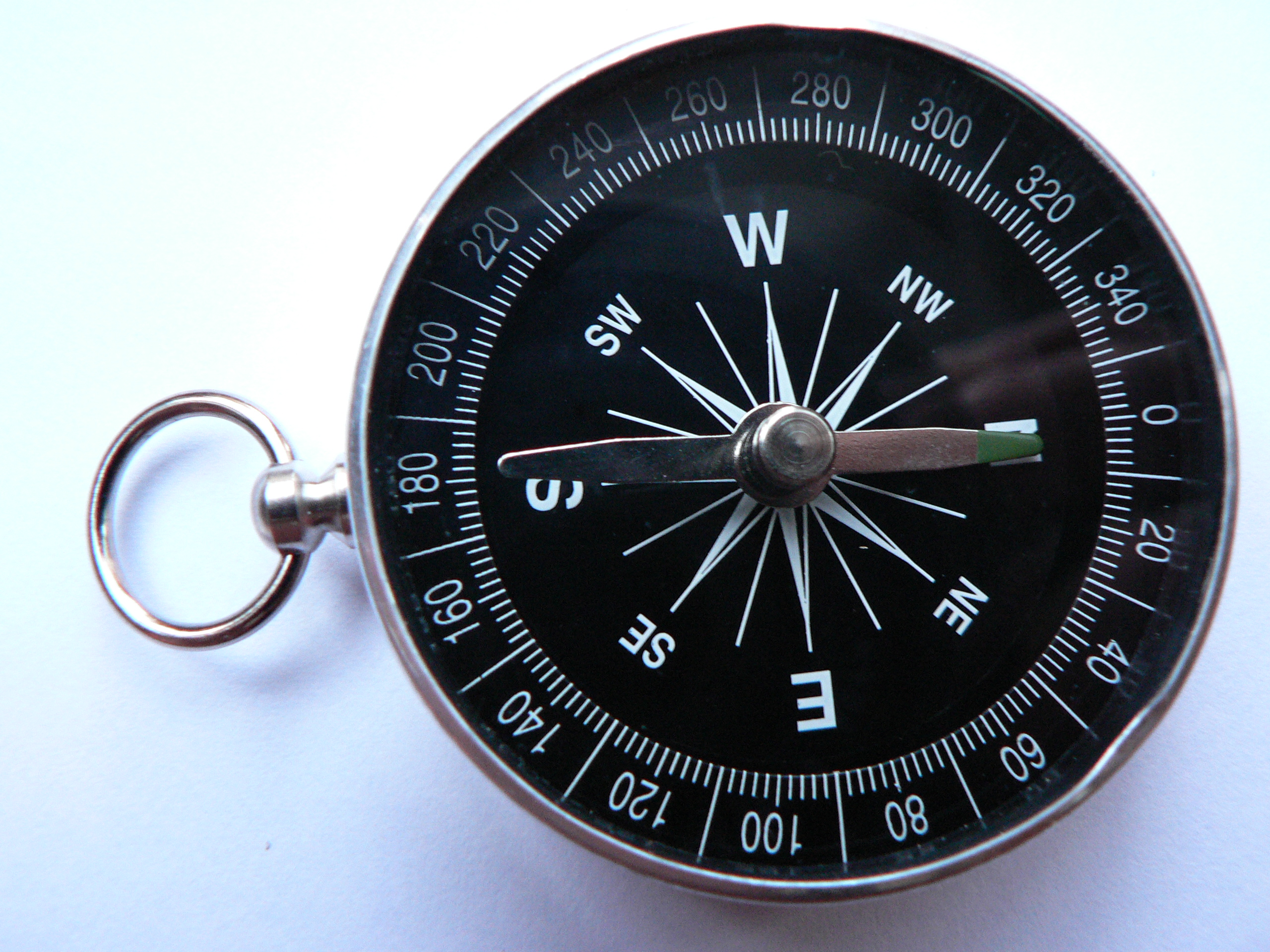
Hiking gear essentials operate on the principle of preparedness and safety. The Ten Essentials typically include navigation tools (like a map and compass), a first aid kit, food, water, a multi-tool, fire-starting equipment, shelter, and extra clothing. Each item serves a specific purpose: navigation tools help prevent getting lost, while food and water sustain energy levels. The first aid kit addresses potential injuries, and fire-starting equipment can provide warmth and signal for help. Additionally, ultralight backpacking advocates often modify this list, opting for lighter alternatives or omitting certain items altogether, which raises questions about risk versus preparedness in outdoor activities.
📊 Key Facts & Numbers
Key statistics highlight the importance of hiking gear essentials. The number of Americans participating in hiking has steadily increased over the past decade. These figures underscore the varying levels of preparedness among hikers and the ongoing discussions about what gear is truly essential.
👥 Key People & Organizations
Key organizations such as the American Hiking Society and the National Outdoor Leadership School (NOLS) play significant roles in promoting hiking safety and gear essentials. The American Hiking Society advocates for responsible hiking practices, while NOLS offers courses that emphasize outdoor skills, including gear selection. Influential figures in the hiking community, like author and outdoor educator Andrew Skurka, have also contributed to the conversation about essential gear through their writings and teachings. Their collective efforts have shaped the modern understanding of what hikers should carry for safety and enjoyment.
🌍 Cultural Impact & Influence
The cultural impact of hiking gear essentials is profound, influencing not only outdoor practices but also media representation. Hiking has become a popular theme in films, television, and social media, with platforms like Instagram showcasing the beauty of nature and the gear used to explore it. The rise of influencers in the outdoor space has led to increased visibility for brands like REI and Patagonia, which promote not only products but also the ethos of responsible outdoor recreation. This cultural shift has sparked interest in hiking among younger generations, who are increasingly seeking outdoor experiences as a form of wellness and adventure.
⚡ Current State & Latest Developments
As of 2024, the hiking gear market continues to evolve, with trends leaning towards sustainability and technology integration. Brands are increasingly focusing on eco-friendly materials and practices, responding to consumer demand for environmentally responsible products. Innovations such as smart backpacks equipped with GPS and solar charging capabilities are gaining traction. Additionally, the COVID-19 pandemic has led to a surge in outdoor activities, with many first-time hikers seeking guidance on essential gear. This has prompted organizations to enhance educational resources, ensuring that newcomers are well-informed about safety and preparedness.
🤔 Controversies & Debates
Controversies surrounding hiking gear essentials often center on the debate between ultralight backpacking and traditional preparedness. Some ultralight advocates argue that carrying less gear allows for greater freedom and speed, while critics emphasize the risks of being underprepared in remote areas. Additionally, discussions about the necessity of certain items, like multi-tools or emergency blankets, continue to spark debate among experienced hikers. These differing perspectives highlight the tension between personal choice and collective safety in outdoor recreation.
🔮 Future Outlook & Predictions
Looking ahead, the future of hiking gear essentials will likely be shaped by advancements in technology and changing outdoor ethics. Experts predict that the integration of wearable technology, such as fitness trackers and smart clothing, will redefine how hikers approach safety and navigation. Furthermore, as climate change impacts outdoor environments, discussions about responsible gear choices will become increasingly relevant. The ongoing evolution of hiking gear essentials will reflect broader societal shifts towards sustainability and inclusivity in outdoor spaces.
💡 Practical Applications
Hiking gear essentials are applied in various contexts, from day hikes to multi-day backpacking trips. For instance, the Ten Essentials serve as a foundational guideline for both novice and experienced hikers, ensuring that they are prepared for unexpected situations. Outdoor education programs, such as those offered by the Wilderness Education Association, emphasize the importance of gear selection and safety protocols. Additionally, many outdoor retailers provide workshops and resources to help customers understand the significance of each essential item, fostering a culture of preparedness in the hiking community.
Key Facts
- Year
- 2024
- Origin
- Global
- Category
- nature
- Type
- concept
Frequently Asked Questions
What are the Ten Essentials for hiking?
The Ten Essentials for hiking include navigation tools (map and compass), a first aid kit, food, water, a multi-tool, fire-starting equipment, shelter, and extra clothing. These items are recommended to ensure safety and preparedness in the backcountry, as outlined in the 1974 publication of 'Mountaineering: The Freedom of the Hills.' Many hiking organizations emphasize the importance of carrying these essentials, although individual preferences may lead to variations.
How has hiking gear evolved over the years?
Hiking gear has evolved significantly since the early 20th century, particularly with the introduction of lightweight materials and advanced technology. The 1974 publication of the Ten Essentials marked a pivotal moment in hiking safety, influencing gear selection. Today, innovations such as GPS devices and eco-friendly materials are reshaping the market, reflecting changing consumer preferences and environmental concerns.
Why is it important to carry hiking gear essentials?
Carrying hiking gear essentials is crucial for safety, as these items prepare hikers for unexpected situations such as injuries, getting lost, or adverse weather conditions. The Ten Essentials serve as a guideline for what to bring, helping