
Contents
- 🏥 Introduction to Electrolyte Imbalance
- 💡 The Role of Electrolytes in the Body
- 📊 Causes of Electrolyte Imbalance
- 🚨 Symptoms of Electrolyte Imbalance
- 👨⚕️ Diagnosis and Treatment of Electrolyte Imbalance
- 📈 Prevention of Electrolyte Imbalance
- 🤝 The Importance of Electrolyte Balance in Athletic Performance
- 📊 Case Studies of Electrolyte Imbalance
- 👥 The Impact of Electrolyte Imbalance on Different Populations
- 🔬 Future Research Directions in Electrolyte Imbalance
- 📚 Conclusion and Recommendations
- 👀 Emerging Trends in Electrolyte Imbalance Management
- Frequently Asked Questions
- Related Topics
Overview
Electrolyte imbalance occurs when the levels of essential ions such as sodium, potassium, calcium, and magnesium in the body become disrupted, leading to a range of symptoms from mild to life-threatening. According to the National Institutes of Health (NIH), approximately 30% of hospitalized patients experience some form of electrolyte imbalance. The condition can be caused by various factors, including dehydration, certain medications, and underlying medical conditions. For instance, a study published in the Journal of Clinical Medicine found that patients with heart failure are at a higher risk of developing electrolyte imbalance due to the use of diuretics. The consequences of electrolyte imbalance can be severe, with 10% of cases resulting in cardiac arrest, as reported by the American Heart Association. Researchers like Dr. Michael Felder, a leading expert in the field, are working to develop more effective treatments and prevention strategies. As the global prevalence of electrolyte imbalance continues to rise, with an estimated 1.5 million cases reported annually, it is essential to raise awareness about this critical health issue and promote further research. The influence of electrolyte imbalance on the healthcare system is significant, with an estimated annual cost of $10 billion in the United States alone. Looking ahead, the development of personalized medicine approaches and innovative diagnostic tools may hold the key to improving outcomes for patients with electrolyte imbalance.
🏥 Introduction to Electrolyte Imbalance
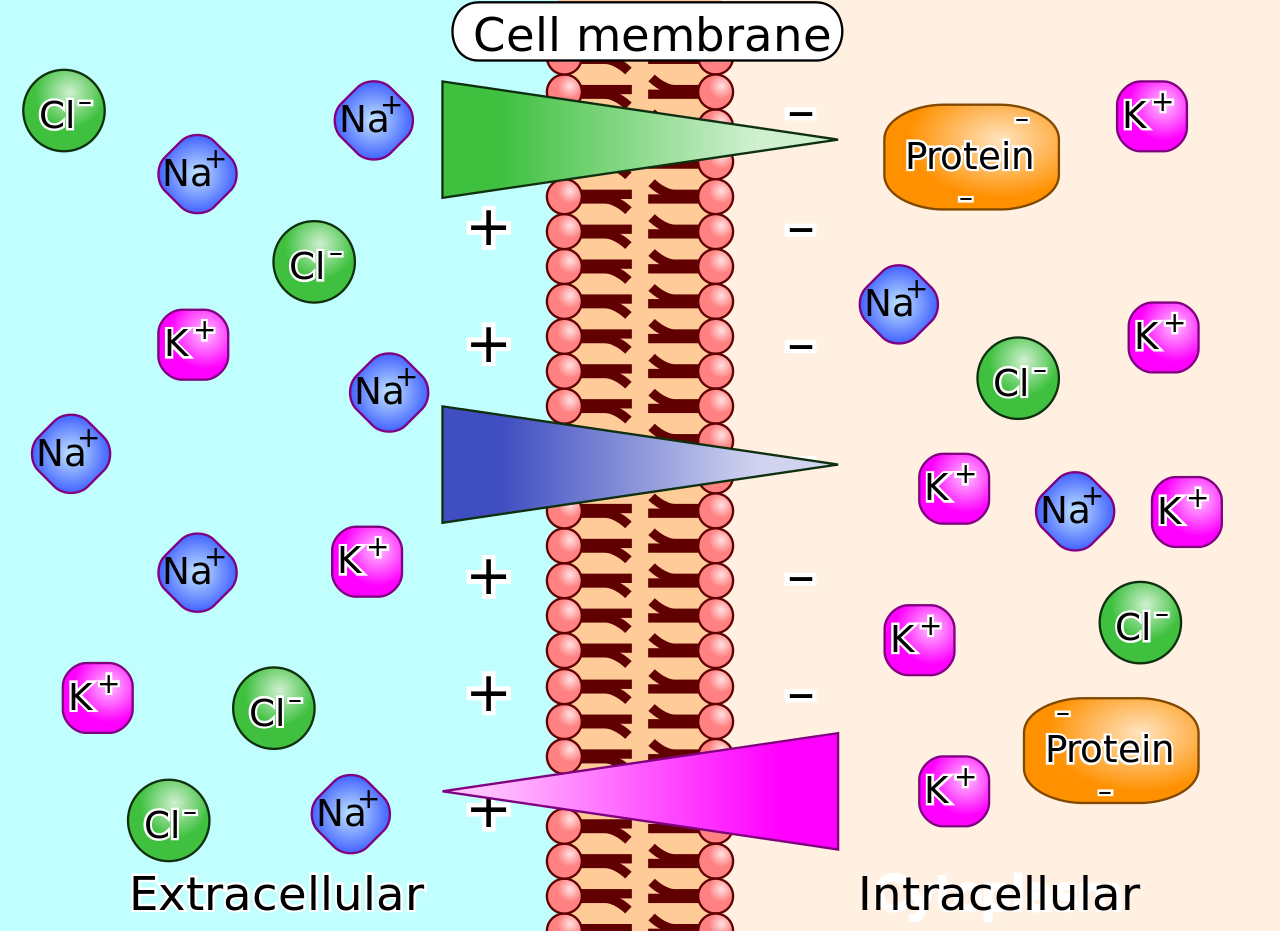
Electrolyte imbalance, or water-electrolyte imbalance, is an abnormality in the concentration of electrolytes in the body. Electrolytes play a vital role in maintaining Homeostasis in the body. They help to regulate Heart Function and neurological function, Fluid Balance, Oxygen Delivery, Acid-Base Balance and much more. Electrolyte imbalances can develop by consuming too little or too much electrolyte as well as excreting too little or too much electrolyte. Examples of electrolytes include Calcium, Chloride, Magnesium, Phosphate, Potassium, and Sodium. The delicate balance of these electrolytes is crucial for maintaining proper bodily functions. According to the National Institutes of Health, electrolyte imbalance can have severe consequences if left untreated.
💡 The Role of Electrolytes in the Body
The role of electrolytes in the body is multifaceted. They help to regulate the balance of fluids within the body, which is essential for maintaining proper Blood Pressure. Electrolytes also play a crucial role in the transmission of nerve impulses, which is essential for maintaining proper Neurological Function. The balance of electrolytes is also essential for maintaining proper Muscle Function. For example, Potassium helps to regulate the contraction and relaxation of muscles, while Calcium helps to regulate the contraction of muscles. The balance of electrolytes is also essential for maintaining proper Bone Health. According to the American Heart Association, electrolyte imbalance can increase the risk of Heart Disease.
📊 Causes of Electrolyte Imbalance
Electrolyte imbalance can be caused by a variety of factors, including consuming too little or too much electrolyte, as well as excreting too little or too much electrolyte. For example, Dehydration can cause an imbalance of electrolytes, particularly Sodium and Potassium. Certain medications, such as Diuretics, can also cause an imbalance of electrolytes. Additionally, certain medical conditions, such as Kidney Disease, can also cause an imbalance of electrolytes. According to the Mayo Clinic, electrolyte imbalance can also be caused by Hormonal Imbalance. The balance of electrolytes is also essential for maintaining proper Hormone Function.
🚨 Symptoms of Electrolyte Imbalance
The symptoms of electrolyte imbalance can vary depending on the specific electrolyte that is imbalanced. For example, an imbalance of Potassium can cause symptoms such as Muscle Weakness, Fatigue, and Heart Palpitations. An imbalance of Sodium can cause symptoms such as Confusion, Seizures, and Coma. An imbalance of Calcium can cause symptoms such as Muscle Cramps, Tingling, and Numbness. According to the Centers for Disease Control and Prevention, electrolyte imbalance can also cause symptoms such as Nausea, Vomiting, and Diarrhea.
👨⚕️ Diagnosis and Treatment of Electrolyte Imbalance
The diagnosis and treatment of electrolyte imbalance depend on the specific electrolyte that is imbalanced. For example, an imbalance of Potassium can be treated with Potassium Supplements. An imbalance of Sodium can be treated with Sodium Supplements. An imbalance of Calcium can be treated with Calcium Supplements. According to the American Medical Association, electrolyte imbalance can also be treated with Intravenous Therapy. The treatment of electrolyte imbalance also depends on the underlying cause of the imbalance. For example, if the imbalance is caused by Dehydration, the treatment would involve Fluid Replacement.
📈 Prevention of Electrolyte Imbalance
The prevention of electrolyte imbalance involves maintaining a balanced diet that includes a variety of foods that are rich in electrolytes. For example, Bananas are a rich source of Potassium, while Dairy Products are a rich source of Calcium. According to the Academy of Nutrition and Dietetics, a balanced diet that includes a variety of foods can help to maintain proper electrolyte balance. Additionally, staying hydrated by drinking plenty of water can also help to prevent electrolyte imbalance. The prevention of electrolyte imbalance is also essential for maintaining proper Athletic Performance. According to the National Academy of Sports Medicine, electrolyte imbalance can decrease athletic performance and increase the risk of injury.
🤝 The Importance of Electrolyte Balance in Athletic Performance
The importance of electrolyte balance in athletic performance cannot be overstated. Electrolytes play a crucial role in maintaining proper Muscle Function, which is essential for athletic performance. An imbalance of electrolytes can cause symptoms such as Muscle Cramps, Fatigue, and Dizziness. According to the International Society of Sports Nutrition, electrolyte balance is essential for maintaining proper athletic performance. Additionally, electrolyte balance is also essential for maintaining proper Hydration, which is essential for athletic performance. The balance of electrolytes is also essential for maintaining proper Recovery after exercise.
📊 Case Studies of Electrolyte Imbalance
There have been several case studies of electrolyte imbalance in the medical literature. For example, a case study published in the Journal of Clinical Endocrinology and Metabolism found that a patient with Hyperthyroidism developed an imbalance of Potassium and Sodium. Another case study published in the New England Journal of Medicine found that a patient with Kidney Disease developed an imbalance of Calcium and Phosphate. According to the National Institutes of Health, case studies of electrolyte imbalance can provide valuable insights into the diagnosis and treatment of electrolyte imbalance.
👥 The Impact of Electrolyte Imbalance on Different Populations
Electrolyte imbalance can have a significant impact on different populations. For example, Pregnant Women are at risk of developing electrolyte imbalance due to the increased demands of pregnancy. According to the American College of Obstetricians and Gynecologists, pregnant women should be monitored closely for electrolyte imbalance. Additionally, Older Adults are also at risk of developing electrolyte imbalance due to the decreased ability of the kidneys to regulate electrolytes. According to the National Institute on Aging, older adults should be monitored closely for electrolyte imbalance.
🔬 Future Research Directions in Electrolyte Imbalance
There are several future research directions in electrolyte imbalance. For example, researchers are currently investigating the use of Genetic Testing to identify individuals who are at risk of developing electrolyte imbalance. According to the National Institutes of Health, genetic testing may be able to identify individuals who are at risk of developing electrolyte imbalance. Additionally, researchers are also investigating the use of Personalized Medicine to treat electrolyte imbalance. According to the American Medical Association, personalized medicine may be able to provide more effective treatment for electrolyte imbalance.
📚 Conclusion and Recommendations
In conclusion, electrolyte imbalance is a serious medical condition that can have significant consequences if left untreated. The diagnosis and treatment of electrolyte imbalance depend on the specific electrolyte that is imbalanced. Maintaining a balanced diet that includes a variety of foods that are rich in electrolytes can help to prevent electrolyte imbalance. According to the World Health Organization, electrolyte imbalance is a significant public health concern. Additionally, staying hydrated by drinking plenty of water can also help to prevent electrolyte imbalance. The prevention of electrolyte imbalance is essential for maintaining proper Overall Health.
👀 Emerging Trends in Electrolyte Imbalance Management
The management of electrolyte imbalance is a complex and multifaceted issue. According to the Centers for Disease Control and Prevention, electrolyte imbalance can be managed through a combination of dietary changes, medication, and lifestyle modifications. Additionally, Telemedicine may also play a role in the management of electrolyte imbalance. According to the American Telemedicine Association, telemedicine may be able to provide more convenient and accessible care for individuals with electrolyte imbalance. The management of electrolyte imbalance is essential for maintaining proper Quality of Life.
Key Facts
- Year
- 2022
- Origin
- Ancient Greece, with the concept of 'humoral imbalance' described by Hippocrates (460-370 BCE)
- Category
- Health and Medicine
- Type
- Medical Condition
Frequently Asked Questions
What is electrolyte imbalance?
Electrolyte imbalance, or water-electrolyte imbalance, is an abnormality in the concentration of electrolytes in the body. Electrolytes play a vital role in maintaining homeostasis in the body. They help to regulate heart and neurological function, fluid balance, oxygen delivery, acid-base balance and much more. According to the National Institutes of Health, electrolyte imbalance can have severe consequences if left untreated.
What are the symptoms of electrolyte imbalance?
The symptoms of electrolyte imbalance can vary depending on the specific electrolyte that is imbalanced. For example, an imbalance of Potassium can cause symptoms such as Muscle Weakness, Fatigue, and Heart Palpitations. An imbalance of Sodium can cause symptoms such as Confusion, Seizures, and Coma. According to the Centers for Disease Control and Prevention, electrolyte imbalance can also cause symptoms such as Nausea, Vomiting, and Diarrhea.
How is electrolyte imbalance diagnosed?
The diagnosis of electrolyte imbalance depends on the specific electrolyte that is imbalanced. For example, an imbalance of Potassium can be diagnosed with a Blood Test. An imbalance of Sodium can be diagnosed with a Urine Test. According to the American Medical Association, the diagnosis of electrolyte imbalance also depends on the underlying cause of the imbalance.
How is electrolyte imbalance treated?
The treatment of electrolyte imbalance depends on the specific electrolyte that is imbalanced. For example, an imbalance of Potassium can be treated with Potassium Supplements. An imbalance of Sodium can be treated with Sodium Supplements. According to the National Institutes of Health, the treatment of electrolyte imbalance also depends on the underlying cause of the imbalance.
Can electrolyte imbalance be prevented?
Yes, electrolyte imbalance can be prevented by maintaining a balanced diet that includes a variety of foods that are rich in electrolytes. According to the Academy of Nutrition and Dietetics, a balanced diet that includes a variety of foods can help to maintain proper electrolyte balance. Additionally, staying hydrated by drinking plenty of water can also help to prevent electrolyte imbalance.
What are the complications of electrolyte imbalance?
The complications of electrolyte imbalance can vary depending on the specific electrolyte that is imbalanced. For example, an imbalance of Potassium can cause complications such as Heart Arrhythmias and Muscle Weakness. An imbalance of Sodium can cause complications such as Seizures and Coma. According to the Centers for Disease Control and Prevention, electrolyte imbalance can also cause complications such as Kidney Disease and Heart Disease.
How common is electrolyte imbalance?
Electrolyte imbalance is a relatively common condition. According to the National Institutes of Health, electrolyte imbalance can affect anyone, regardless of age or sex. However, certain populations, such as Pregnant Women and Older Adults, are at higher risk of developing electrolyte imbalance.