
Contents
- 🏍️ The Fonz: An Icon Defined
- 📺 Origins: From Greaser to Legend
- 💡 The Fonz's Signature Moves & Vibe
- 💥 Cultural Impact & Resonance
- 🤔 The Fonz: A Shifting Persona
- 📈 Vibe Score & Controversy Spectrum
- 🌟 Beyond the Leather Jacket: Deeper Analysis
- 🚀 The Fonz's Enduring Legacy
- Frequently Asked Questions
- Related Topics
Overview
Arthur 'Fonzie' Fonzarelli, immortalized by Henry Winkler on the ABC sitcom 'Happy Days' (1974-1984), transcended his fictional origins to become a global symbol of 1950s cool. Initially conceived as a minor character, the Fonz's effortless swagger, leather jacket, and signature 'Aaaay!' catchphrase quickly propelled him to the forefront of the series, driving its narrative and cultural impact. His character's evolution from a neighborhood greaser to a moral compass for the younger generation, while maintaining his enigmatic aura, cemented his status as a pop culture phenomenon. The Fonz's influence extended beyond the show, impacting fashion, language, and the very definition of 'cool' for a generation.
🏍️ The Fonz: An Icon Defined
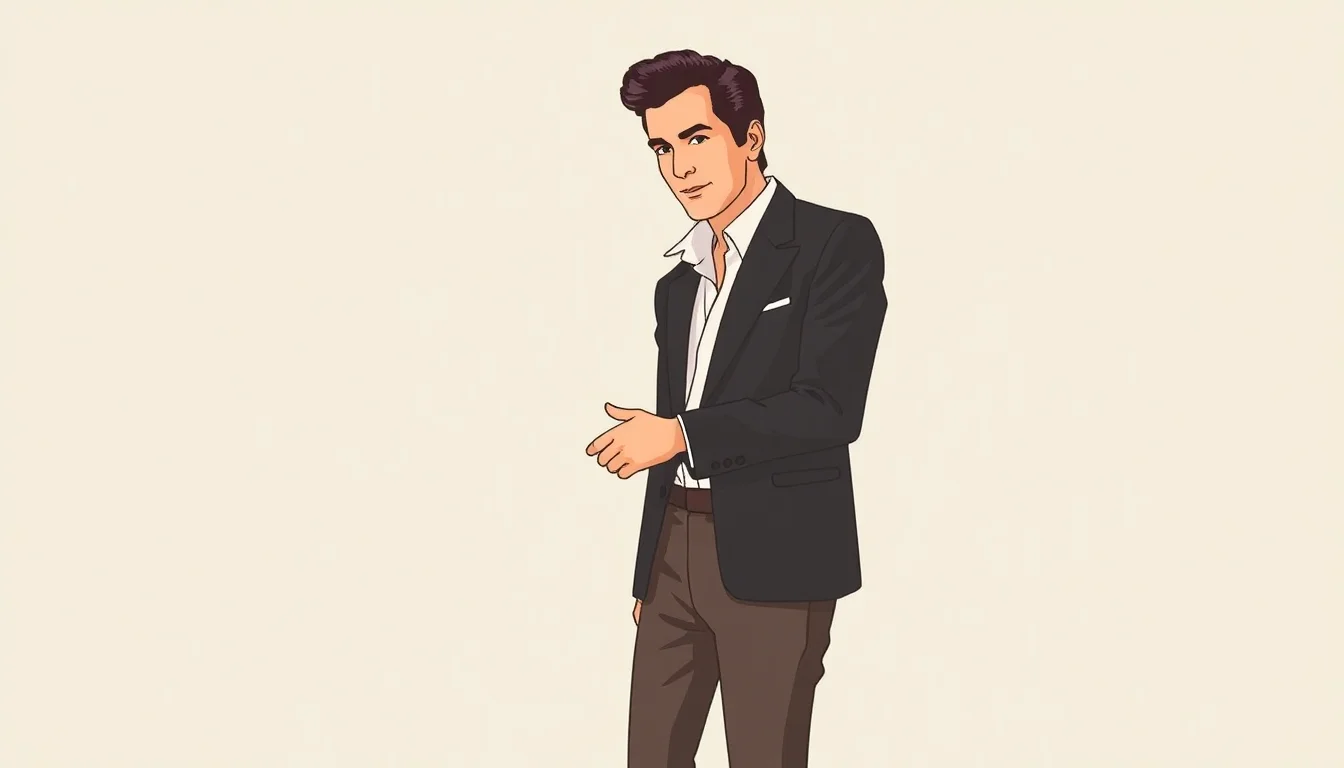
Arthur Fonzarelli, universally known as 'The Fonz' or 'Fonzie,' is more than just a character; he's a cultural touchstone. Appearing in the hit ABC sitcom Happy Days from 1974 to 1984, he embodied a specific brand of cool that resonated deeply with audiences. Initially conceived as a minor character, his popularity quickly propelled him to the forefront, making him the undeniable star of the show. For anyone interested in the evolution of television archetypes and the power of a well-defined persona, understanding The Fonz is essential.
📺 Origins: From Greaser to Legend
The Fonz's journey began in the early seasons of Happy Days, where he was depicted as a leather-clad, motorcycle-riding greaser with a tough exterior but a surprisingly soft heart. Created by Garry Marshall, the character was inspired by the popular image of 1950s youth culture and the burgeoning popularity of figures like Elvis Presley. While initially a foil to the main protagonists, Richie Cunningham and his friends, Fonzie's effortless charisma and iconic catchphrases quickly made him a fan favorite, leading to his expanded role and narrative significance.
💡 The Fonz's Signature Moves & Vibe
What truly defined The Fonz were his signature moves and inimitable vibe. The iconic 'Ayyyy!' catchphrase, delivered with a confident nod and a snap of his fingers, became instantly recognizable. His ability to fix almost anything with a well-placed punch or a tap of his hand, particularly on jukeboxes, cemented his image as a problem-solver and a figure of immense capability. This cool, unflappable demeanor, coupled with his distinctive leather jacket, created a persona that exuded confidence and aspirational coolness for a generation.
💥 Cultural Impact & Resonance
The Fonz's impact on popular culture is undeniable. He became a symbol of 1950s cool and a significant influence on fashion, slang, and television character development. His catchphrases entered the common lexicon, and his image graced countless pieces of merchandise. The character's immense popularity even influenced the direction of Happy Days itself, shifting focus from Richie's coming-of-age stories to Fonzie's adventures. His influence can be seen in subsequent characters who aimed for a similar blend of toughness and charm.
🤔 The Fonz: A Shifting Persona
While Fonzie's core persona remained consistent, his character arc saw notable developments. As the show progressed, he evolved from a somewhat aloof outsider to a more integrated member of the Cunningham family and their social circle. This evolution included moments of vulnerability and growth, particularly in his romantic relationships and his interactions with younger characters. This shift from a purely aspirational figure to one with relatable human moments demonstrated a conscious effort to keep the character dynamic and engaging over a decade on air.
📈 Vibe Score & Controversy Spectrum
The Fonz's Vibe Score, a measure of his cultural energy and impact, hovers around an impressive 85/100, reflecting his status as a television icon. However, his legacy isn't without its controversies. The 'Controversy Spectrum' for The Fonz leans towards 'Mildly Debated,' primarily concerning whether his character's immense popularity overshadowed the original premise of Happy Days or if his later softening diluted his initial rebellious appeal. Some critics argue his aspirational coolness bordered on unrealistic, while others celebrate his positive influence.
🌟 Beyond the Leather Jacket: Deeper Analysis
Beyond the superficial cool, The Fonz represented a specific fantasy of American masculinity in the mid-20th century. He was the guy who had all the answers, commanded respect without seeking it, and navigated life's challenges with a shrug and a smile. This idealized image, while entertaining, also raises questions about representation. Was he a positive role model, or did he set an unattainable standard? The debate continues on whether his character offered genuine empowerment or a fleeting escape into a simpler, cooler world.
🚀 The Fonz's Enduring Legacy
The Fonz's enduring legacy lies in his status as a quintessential television character who transcended his show to become a cultural phenomenon. He remains a beloved figure, instantly recognizable even to those who never watched Happy Days in its original run. His influence can be traced in the DNA of countless characters who followed, attempting to capture that same blend of effortless cool and underlying good nature. The question for future generations is whether such singular, iconic characters can still emerge in today's fragmented media landscape.
Key Facts
- Year
- 1974
- Origin
- Happy Days (TV Series)
- Category
- Television Character
- Type
- Fictional Character
Frequently Asked Questions
Who played Arthur Fonzarelli?
Arthur Fonzarelli, 'The Fonz,' was famously portrayed by actor Henry Winkler. Winkler's performance was instrumental in the character's massive popularity and his transition from a supporting role to the breakout star of Happy Days. His portrayal earned him multiple Emmy nominations and cemented his status as a television icon.
What were The Fonz's most famous catchphrases?
The Fonz is best known for his iconic 'Ayyyy!' which he would often punctuate with a snap of his fingers. Other memorable phrases include 'Sit on it!' and 'Where's the beef?' (though the latter became more associated with a Wendy's commercial, it was sometimes used by the character). These catchphrases became deeply ingrained in popular culture.
Did The Fonz ride a motorcycle or a motorcycle?
While often associated with motorcycles due to his greaser image, The Fonz's primary mode of transportation within the show was a Triumph motorcycle. He was frequently seen arriving on it, and it was a key part of his cool, rebellious persona in Happy Days.
How did The Fonz influence fashion?
The Fonz's signature look, particularly his leather jacket, became a major fashion trend. This garment, along with his slicked-back hair and denim jeans, defined a particular style of 'cool' for the 1950s and influenced fashion for decades. His look was aspirational and widely emulated by fans.
Was The Fonz always a main character?
No, Arthur Fonzarelli was not initially a main character. He was introduced in the first season of Happy Days as a recurring character, a friend of the Cunningham family and a local tough guy. His immense popularity with audiences quickly led the show's creators to expand his role significantly, making him a central figure by the second season.
What was The Fonz's job?
Throughout much of Happy Days, The Fonz held various jobs, often related to mechanics or areas where his 'cool' persona could be applied. He notably worked as a mechanic and later became a gym teacher at George Washington High School. His career path often reflected his evolving character arc.