
Contents
Overview
The conceptual seeds of Afrofuturism were sown long before its formal naming, with precursors found in the works of early 20th-century Black writers and artists who grappled with modernity and identity. However, the term 'Afrofuturism' was officially coined by cultural critic Mark Dery in his essay 'Black to the Future.' Dery defined it as a way of imagining 'futuristic modes of production, distribution, and consumption of culture that can enable Black artists to elude the grip of the Western cultural apparatus.' The late 1990s saw significant intellectual development, particularly through the work of Alondra Nelson and her colleagues, who explored Afrofuturism through academic discourse and the creation of the Dark Matter collective. This period solidified Afrofuturism not just as an aesthetic but as a critical framework for understanding Black experiences in relation to technology and speculative futures, drawing inspiration from earlier figures like W.E.B. Du Bois and his concept of 'double consciousness' in a technologically advancing world.
⚙️ How It Works
Afrofuturism operates by weaving together elements of the past, present, and imagined futures, utilizing speculative fiction, science fiction, fantasy, and alternate history as its primary vehicles. It posits that the African diaspora's experiences—marked by historical trauma, resilience, and innovation—are fertile ground for exploring technological advancements and societal transformations. Rather than simply projecting current trends forward, Afrofuturism actively reconstructs narratives, often re-centering Black agency and identity within futuristic or fantastical settings. This involves reinterpreting historical events, mythologies, and cultural practices through a sci-fi or fantasy lens, creating worlds where Black people are not just present but are the architects of their own destinies and technological advancements. The aesthetic often blends traditional African motifs with futuristic elements, creating a distinct visual and thematic language that challenges Western-centric visions of the future.
📊 Key Facts & Numbers
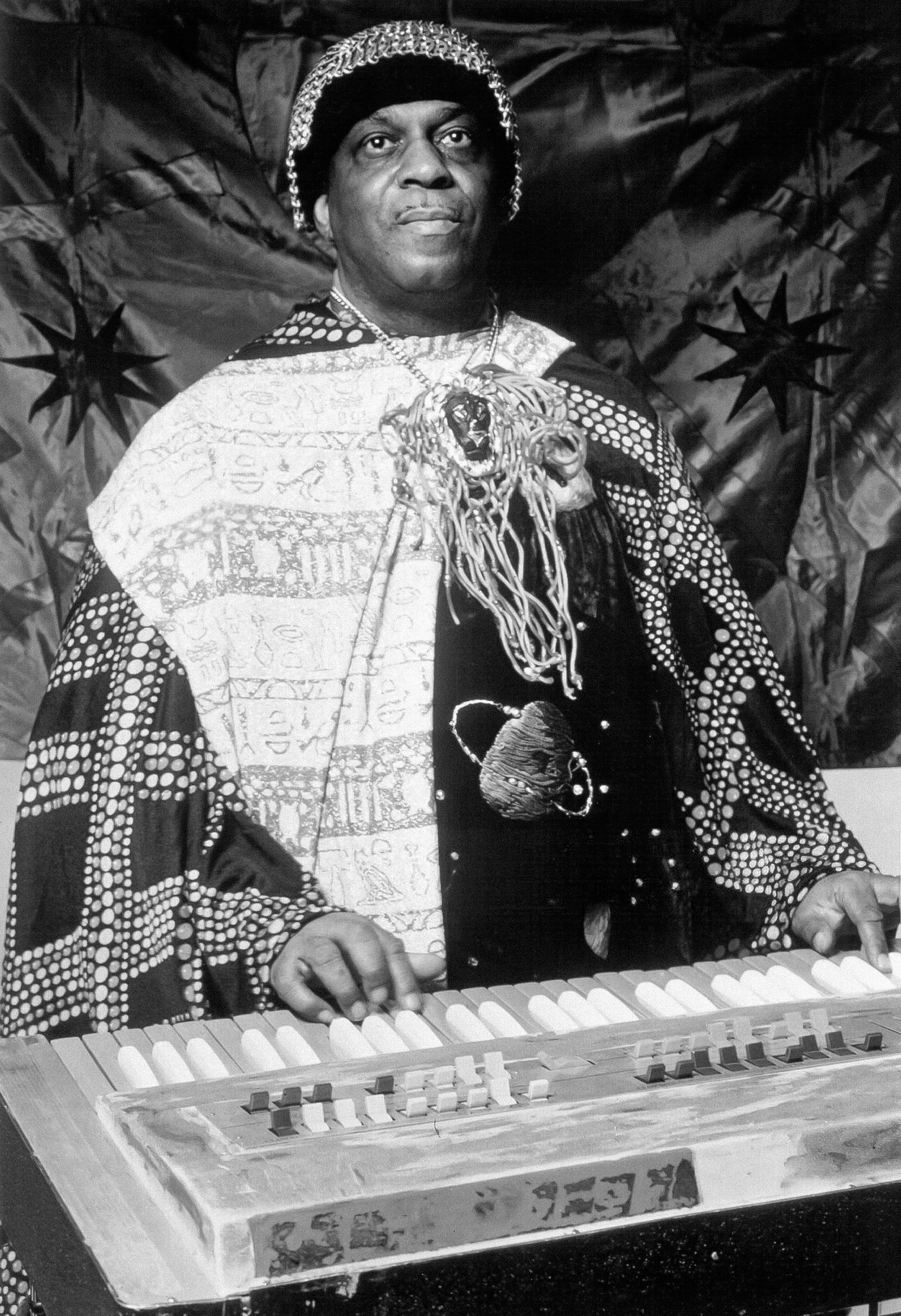
Afrofuturism's reach is substantial, with its influence evident across a global spectrum. Sun Ra and his Arkestra laid crucial groundwork with their cosmic themes and futuristic sounds in the mid-20th century, predating the term itself. The term 'Afrofuturism' has been used in academic discourse, indicating its growing scholarly and cultural significance. Films like Black Panther brought Afrofuturist aesthetics and themes to mainstream global audiences, demonstrating its broad appeal and commercial viability.
👥 Key People & Organizations
Key figures instrumental in shaping Afrofuturism include Mark Dery, who coined the term, and Alondra Nelson, a sociologist whose work has critically examined the relationship between Blackness, technology, and social justice. Ytasha L. Womack, author of Afrofuturism: The World of Black Sci-Fi and Fantasy Culture, has been pivotal in defining and popularizing the concept. Musically, artists like Sun Ra and his Arkestra laid crucial groundwork with their cosmic themes and futuristic sounds in the mid-20th century. Contemporary artists such as Janelle Monáe, whose The ArchAndroid album and associated 'Metropolis' suites present a rich Afrofuturist narrative, and Kendrick Lamar, with his album To Pimp a Butterfly, have brought Afrofuturist ideas to massive audiences. Organizations like the Black Quantum Futures Society continue to foster interdisciplinary dialogue and creative production within the Afrofuturist sphere.
🌍 Cultural Impact & Influence
Afrofuturism's cultural impact is profound, extending far beyond literary and artistic circles. It has provided a critical framework for understanding the historical marginalization of Black people in technological narratives and has actively worked to reclaim and reimagine these spaces. The visual language of Afrofuturism, characterized by its blend of ancestral aesthetics and futuristic design—as seen in the fictional nation of Wakanda in Marvel's Black Panther—has influenced fashion, film production design, and digital art. Musically, Afrofuturist themes have informed genres from Afrobeat to electronic music, encouraging artists to explore sonic landscapes that reflect Black experiences in a technologically saturated world. It has also fostered a sense of possibility and empowerment, inspiring new generations to envision and build futures that are equitable and liberating for the African diaspora.
⚡ Current State & Latest Developments
In 2024 and beyond, Afrofuturism continues to evolve and expand its reach. The proliferation of digital platforms like YouTube and TikTok has enabled independent Afrofuturist creators to share their work globally, bypassing traditional gatekeepers. There's a growing emphasis on interactive Afrofuturist experiences, including virtual reality art installations and augmented reality projects that allow audiences to immerse themselves in these imagined worlds. Furthermore, Afrofuturist principles are increasingly being applied to contemporary issues, such as artificial intelligence ethics, data privacy, and sustainable technology, prompting discussions on how to ensure these advancements benefit marginalized communities. The ongoing exploration of Afrofuturism in academic institutions and cultural festivals signals its enduring relevance as a critical tool for social commentary and future-building.
🤔 Controversies & Debates
One of the primary debates surrounding Afrofuturism centers on its definition and scope. Some critics argue that the term, coined by a non-Black scholar, can sometimes be appropriated or diluted, losing its radical edge. There's also tension regarding whether Afrofuturism should focus solely on speculative fiction or encompass a broader range of cultural expressions. Another point of contention involves the balance between envisioning utopian futures and acknowledging the persistent realities of systemic racism and technological inequality. Some scholars question whether Afrofuturism adequately addresses the material conditions of Black people in the present, while others contend that its speculative nature is precisely what allows for radical critique and the envisioning of transformative change. The commercial success of Afrofuturist-inspired works, like Black Panther, also sparks debate about commodification versus genuine cultural representation.
🔮 Future Outlook & Predictions
The future of Afrofuturism appears robust, with projections indicating continued growth and diversification. As technology becomes more integrated into daily life, the need for critical engagement with its impact on marginalized communities will only intensify, making Afrofuturism an increasingly vital framework. We can anticipate more Afrofuturist narratives emerging in interactive media, including video games and immersive virtual reality experiences, offering deeper engagement with these imagined worlds. There's also a growing movement to apply Afrofuturist principles to practical problem-solving, particularly in areas like urban planning, sustainable energy, and digital equity, aiming to build tangible futures aligned with Afrofuturist ideals. The continued exploration of AI, biotechnology, and space exploration by Black creators will undoubtedly push the boundaries of Afrofuturist thought and aesthetics into new, uncharted territories.
💡 Practical Applications
Afrofuturism's principles find practical application across various domains, moving beyond purely artistic expression. In education, Afrofuturist narratives are used to engage students in STEM fields, making complex scientific concepts more accessible and relevant to diverse backgrounds. The emphasis on community-driven innovation and sustainable practices within Afrofuturism also informs approaches to urban development and environmental activism, encouraging solutions that prioritize equity and ecological balance. Furthermore, the critical examination of technology's role in society, inherent to Afrofuturism, is being applied to discussions around digital literacy, data sovereignty, and the ethical development of emerging technologies, ensuring that future advancements serve the needs of all communities.
Key Facts
- Category
- culture
- Type
- topic