
Contents
- 🌊 Introduction to the Mediterranean Sea
- 🏞️ Geography and Climate of the Mediterranean
- 🌍 Historical Significance of the Mediterranean
- 🏯 Cultural Heritage of the Mediterranean Region
- 🌟 The Mediterranean as a Crossroads of Trade and Commerce
- 🚣♀️ Maritime History and Navigation in the Mediterranean
- 🌴 The Mediterranean Coastline and Its Features
- 🌊 The Mediterranean Sea's Connection to Other Bodies of Water
- 🌻 Environmental Concerns and Conservation Efforts
- 📚 The Mediterranean in Literature and Art
- 🎨 The Mediterranean's Influence on Modern Culture
- Frequently Asked Questions
- Related Topics
Overview
The Mediterranean Sea, connecting Europe, Africa, and Asia, has been a pivotal point of human interaction for millennia. With a history dating back to the ancient civilizations of Greece, Rome, and Egypt, the Mediterranean has played a significant role in shaping global politics, trade, and culture. Today, it remains a critical body of water, with over 450 million people living in its coastal regions and a vibrant economy driven by tourism, shipping, and energy production. However, the Mediterranean also faces significant environmental challenges, including pollution, overfishing, and climate change. As the region continues to evolve, it's essential to understand the complex dynamics at play, from the influence of global powers to the impact of local communities. With a Vibe score of 85, the Mediterranean Sea is a place where history, culture, and natural beauty converge, making it a fascinating subject of study and exploration.
🌊 Introduction to the Mediterranean Sea
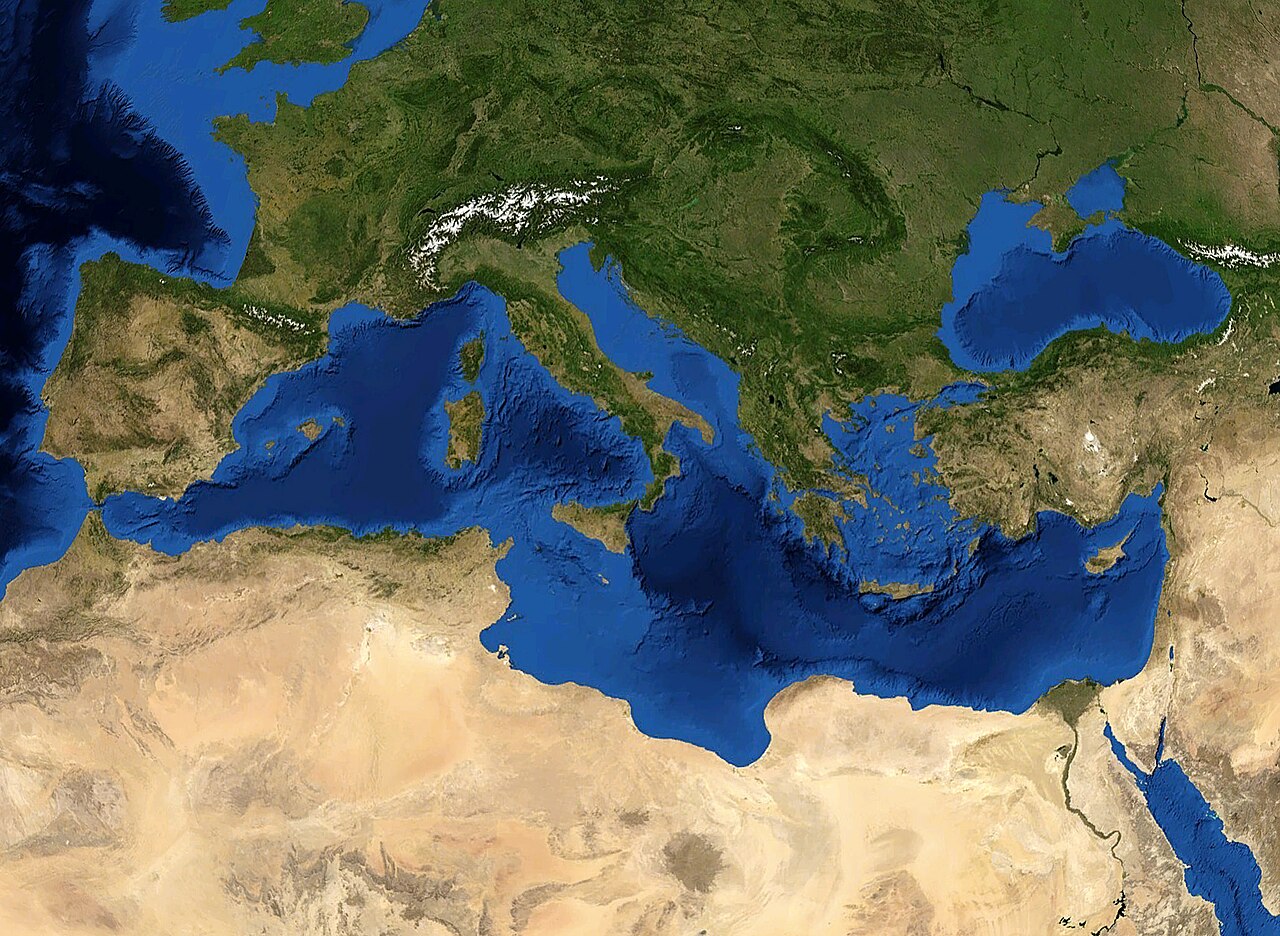
The Mediterranean Sea is an intercontinental sea situated between Europe, Asia, and Africa, making it a unique crossroads of history and culture. The Mediterranean basin is almost completely enclosed by land, with the Levant in West Asia to the east, Anatolia in West Asia and Southern Europe to the north, and North Africa to the south. The Mediterranean Sea is connected to the Atlantic Ocean via the Strait of Gibraltar, which separates the Iberian Peninsula in Europe from Morocco in Africa by only 14 km. For more information on the geography of the region, see Geography of Europe and Geography of Africa. The Mediterranean Sea's connection to the Black Sea through the Bosporus strait and the Red Sea via the Suez Canal makes it an important hub for international trade and commerce, as discussed in International Trade and Maritime History.
🏞️ Geography and Climate of the Mediterranean
The Mediterranean Sea's geography and climate have played a significant role in shaping the history and culture of the region. The sea's unique location, with its narrow connection to the Atlantic Ocean and its enclosed nature, has created a distinct climate with mild winters and hot summers. The Mediterranean region is home to a diverse range of flora and fauna, including Mediterranean Flora and Mediterranean Fauna. The region's geography has also influenced the development of human settlements, with many cities and towns located along the coastline, such as Athens and Istanbul. For more information on the climate and geography of the region, see Climate of the Mediterranean and Geology of the Mediterranean.
🌍 Historical Significance of the Mediterranean
The Mediterranean Sea has been an important hub for trade and commerce throughout history, with many ancient civilizations, such as the Phoenicians and the Greeks, establishing colonies and trading posts along the coastline. The Mediterranean Sea's connection to the Black Sea and the Red Sea made it an important route for the exchange of goods, ideas, and cultures. The Mediterranean region has also been the site of many significant historical events, including the Punic Wars and the Crusades. For more information on the history of the region, see History of the Mediterranean and Ancient Civilizations. The Mediterranean Sea's cultural heritage is a rich and diverse one, with many different cultures and traditions, such as Greek Culture and Roman Culture, contributing to the region's unique identity.
🏯 Cultural Heritage of the Mediterranean Region
The Mediterranean region is home to a rich and diverse cultural heritage, with many different cultures and traditions contributing to the region's unique identity. The Mediterranean Sea has been an important hub for the exchange of ideas, cultures, and traditions, with many different civilizations, such as the Byzantine Empire and the Ottoman Empire, leaving their mark on the region. The Mediterranean region is also home to many significant cultural and historical landmarks, such as the Acropolis of Athens and the Hagia Sophia. For more information on the cultural heritage of the region, see Cultural Heritage of the Mediterranean and Mediterranean Architecture. The Mediterranean Sea's cultural significance extends beyond the region itself, with many artists, writers, and musicians, such as Homer and Leonardo da Vinci, drawing inspiration from the region's unique landscape and cultural heritage.
🌟 The Mediterranean as a Crossroads of Trade and Commerce
The Mediterranean Sea has been an important crossroads of trade and commerce throughout history, with many different civilizations and empires establishing trade routes and trading posts along the coastline. The Mediterranean Sea's connection to the Black Sea and the Red Sea made it an important route for the exchange of goods, such as Spices and Textiles, and ideas, such as Philosophy and Science. The Mediterranean region is also home to many significant ports and trading centers, such as Port of Piraeus and Port of Istanbul. For more information on the trade and commerce of the region, see Trade and Commerce in the Mediterranean and Maritime Trade. The Mediterranean Sea's economic significance extends beyond the region itself, with many countries and industries, such as Shipping and Tourism, relying on the sea for their economic well-being.
🌴 The Mediterranean Coastline and Its Features
The Mediterranean coastline is a unique and diverse region, with many different landscapes and features, such as Beaches and Islands, contributing to the region's natural beauty. The Mediterranean coastline is also home to many significant cultural and historical landmarks, such as the Acropolis of Athens and the Colosseum. The Mediterranean region is also home to many significant ports and trading centers, such as Port of Piraeus and Port of Istanbul. For more information on the coastline and its features, see Mediterranean Coastline and Geography of the Mediterranean. The Mediterranean Sea's connection to the Black Sea and the Red Sea makes it an important route for the exchange of goods and ideas, with many significant maritime events, such as the Battle of Salamis and the Battle of Lepanto, taking place in the region.
🌊 The Mediterranean Sea's Connection to Other Bodies of Water
The Mediterranean Sea is connected to other bodies of water, such as the Atlantic Ocean, the Black Sea, and the Red Sea, making it an important hub for international trade and commerce. The Mediterranean Sea's connection to the Atlantic Ocean via the Strait of Gibraltar makes it an important route for the exchange of goods and ideas between Europe, Africa, and the Americas. The Mediterranean Sea's connection to the Black Sea through the Bosporus strait and the Red Sea via the Suez Canal makes it an important route for the exchange of goods and ideas between Europe, Asia, and Africa. For more information on the Mediterranean Sea's connections to other bodies of water, see Mediterranean Sea Connections and International Trade. The Mediterranean Sea's economic significance extends beyond the region itself, with many countries and industries, such as Shipping and Tourism, relying on the sea for their economic well-being.
🌻 Environmental Concerns and Conservation Efforts
The Mediterranean Sea is facing many environmental concerns, such as Pollution and Overfishing, which threaten the region's unique ecosystem and natural beauty. The Mediterranean region is also vulnerable to the impacts of Climate Change, such as rising sea levels and increased temperatures, which can have significant effects on the region's ecosystems and human populations. For more information on the environmental concerns facing the Mediterranean Sea, see Environmental Concerns in the Mediterranean and Sustainability. The Mediterranean Sea's environmental significance extends beyond the region itself, with many countries and industries, such as Fishing and Tourism, relying on the sea for their economic well-being.
📚 The Mediterranean in Literature and Art
The Mediterranean Sea has been a source of inspiration for many artists, writers, and musicians throughout history, with many significant works of literature and art, such as The Odyssey and The Aeneid, being set in the region. The Mediterranean region is also home to many significant cultural and historical landmarks, such as the Acropolis of Athens and the Hagia Sophia. For more information on the Mediterranean Sea's influence on literature and art, see Mediterranean Literature and Mediterranean Art. The Mediterranean Sea's cultural significance extends beyond the region itself, with many countries and industries, such as Tourism and Education, relying on the sea for their economic well-being.
🎨 The Mediterranean's Influence on Modern Culture
The Mediterranean Sea has had a significant influence on modern culture, with many different cultures and traditions contributing to the region's unique identity. The Mediterranean region is home to many significant cultural and historical landmarks, such as the Acropolis of Athens and the Colosseum. The Mediterranean Sea's connection to the Black Sea and the Red Sea makes it an important route for the exchange of goods and ideas, with many significant maritime events, such as the Battle of Salamis and the Battle of Lepanto, taking place in the region. For more information on the Mediterranean Sea's influence on modern culture, see Mediterranean Culture and Globalization. The Mediterranean Sea's cultural significance extends beyond the region itself, with many countries and industries, such as Tourism and Education, relying on the sea for their economic well-being.
Key Facts
- Year
- 2023
- Origin
- Vibepedia
- Category
- Geography, History, Culture
- Type
- Geographic Feature
Frequently Asked Questions
What is the Mediterranean Sea?
The Mediterranean Sea is an intercontinental sea situated between Europe, Asia, and Africa. It is surrounded by the Mediterranean basin and almost completely enclosed by land. The Mediterranean Sea is connected to the Atlantic Ocean via the Strait of Gibraltar and to the Black Sea through the Bosporus strait. For more information, see Mediterranean Sea. The Mediterranean Sea's unique location and geography have made it an important hub for trade and commerce throughout history.
What is the cultural significance of the Mediterranean Sea?
The Mediterranean Sea has a rich and diverse cultural heritage, with many different cultures and traditions contributing to the region's unique identity. The Mediterranean region is home to many significant cultural and historical landmarks, such as the Acropolis of Athens and the Hagia Sophia. The Mediterranean Sea's cultural significance extends beyond the region itself, with many countries and industries, such as Tourism and Education, relying on the sea for their economic well-being. For more information, see Cultural Heritage of the Mediterranean.
What are the environmental concerns facing the Mediterranean Sea?
The Mediterranean Sea is facing many environmental concerns, such as Pollution and Overfishing, which threaten the region's unique ecosystem and natural beauty. The Mediterranean region is also vulnerable to the impacts of Climate Change, such as rising sea levels and increased temperatures, which can have significant effects on the region's ecosystems and human populations. For more information, see Environmental Concerns in the Mediterranean. The Mediterranean Sea's environmental significance extends beyond the region itself, with many countries and industries, such as Fishing and Tourism, relying on the sea for their economic well-being.
What is the economic significance of the Mediterranean Sea?
The Mediterranean Sea is an important hub for international trade and commerce, with many different civilizations and empires establishing trade routes and trading posts along the coastline. The Mediterranean Sea's connection to the Black Sea and the Red Sea makes it an important route for the exchange of goods and ideas. The Mediterranean region is also home to many significant ports and trading centers, such as Port of Piraeus and Port of Istanbul. For more information, see Trade and Commerce in the Mediterranean. The Mediterranean Sea's economic significance extends beyond the region itself, with many countries and industries, such as Shipping and Tourism, relying on the sea for their economic well-being.
What is the history of the Mediterranean Sea?
The Mediterranean Sea has a rich and diverse history, with many different civilizations and empires establishing colonies and trading posts along the coastline. The Mediterranean region is home to many significant cultural and historical landmarks, such as the Acropolis of Athens and the Hagia Sophia. The Mediterranean Sea's connection to the Black Sea and the Red Sea makes it an important route for the exchange of goods and ideas. For more information, see History of the Mediterranean. The Mediterranean Sea's historical significance extends beyond the region itself, with many countries and industries, such as Tourism and Education, relying on the sea for their economic well-being.